When the Birds Go Silent
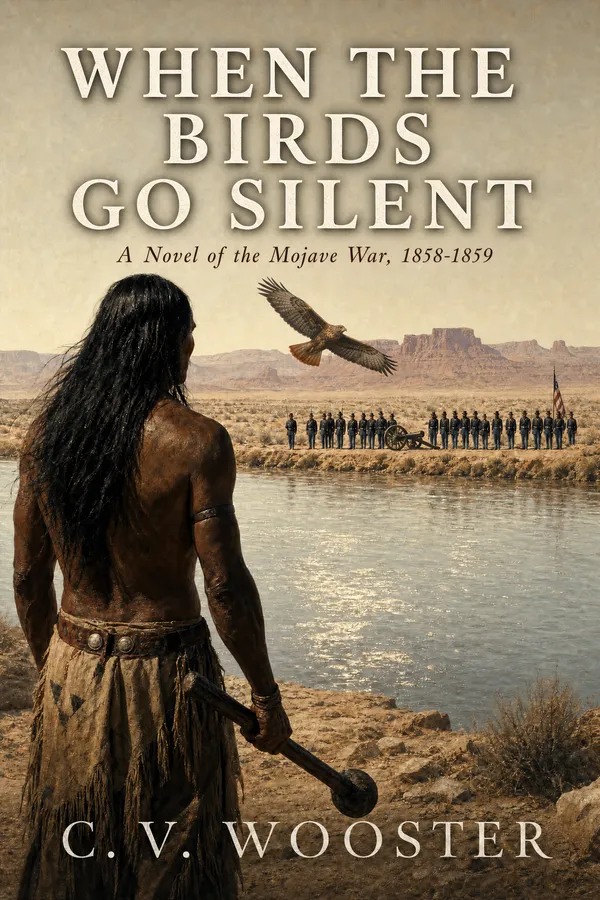
Book cover: When the Birds Go Silent by C. V. Wooster
A Novel of the Mojave War · 1858-1859

When the Birds Go Silent

August 1858. The first wagon train on Beale's new road reaches the Colorado River, and the Aha Macav who have farmed its banks for centuries. A forgotten war, told from both sides of the river.

By C. V. Wooster · Kindle edition out October 31, 2026
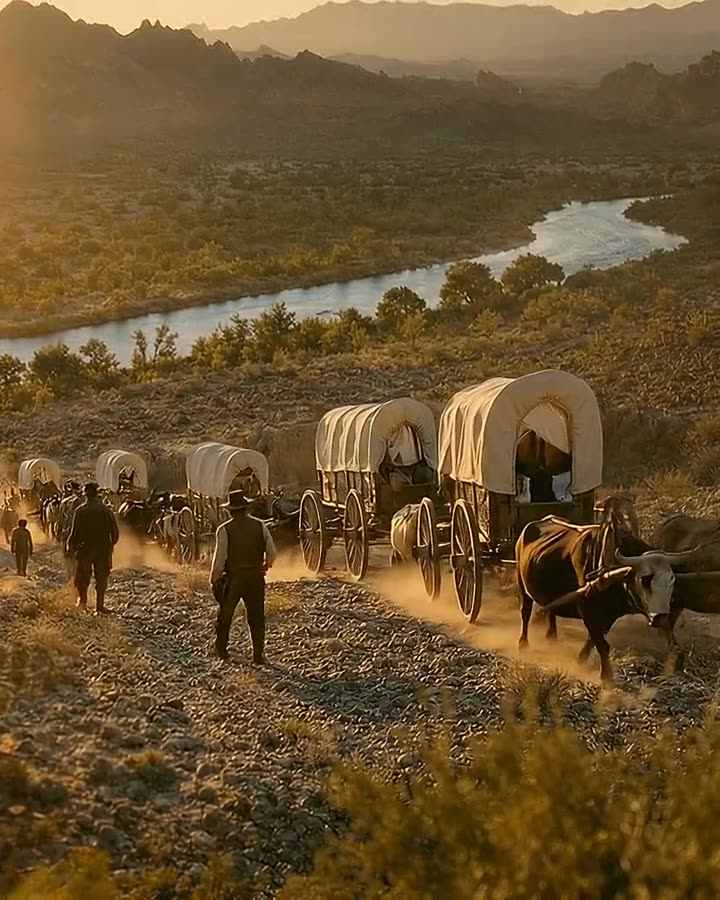
AI-generated film scene · artistic interpretation
The novel

A forgotten war. A river that remembers.

In the summer of 1858 the Rose-Baley wagon train, the first emigrant party on Beale's Wagon Road, reached the Colorado River crossing, and the Aha Macav warriors who guarded it. What followed was a conflict between a sovereign Indigenous nation and the United States Army, fought across a landscape so vast and brutal that the men on both sides could barely survive it.

Built from Army dispatches, emigrant journals and Mojave accounts, the novel follows the consequences of that summer across eighty years: from the silence before the first arrow to the fort on the bluff, and the boarding school where children were taught to forget the word for river.

The river side

Cairook, the war leader who guided American surveyors up his river and understood what their map lines meant before anyone else did.

The road side

Emigrant families, soldiers and Washington officials who were handed a problem and told to produce an answer.
Preorder now Book page on CVWooster.com

When the Birds Go Silent cover
Aug 30, 1858The attack at the river camp near Beale's Crossing
600+Soldiers Hoffman marched up the river in April 1859
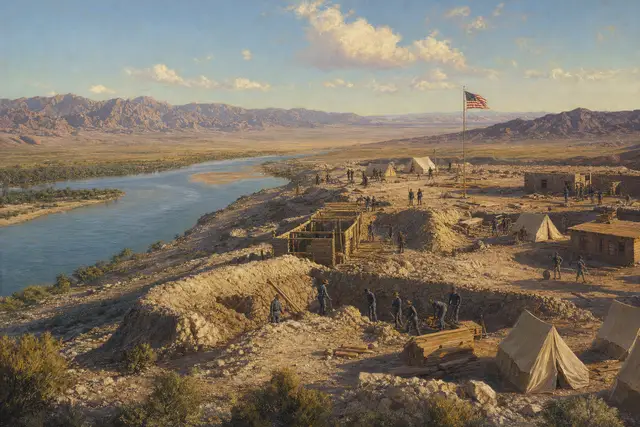
Apr 19, 1859Camp Colorado planted; named Fort Mojave Apr 28
June 21, 1859Cairook dies at Fort Yuma helping others escape
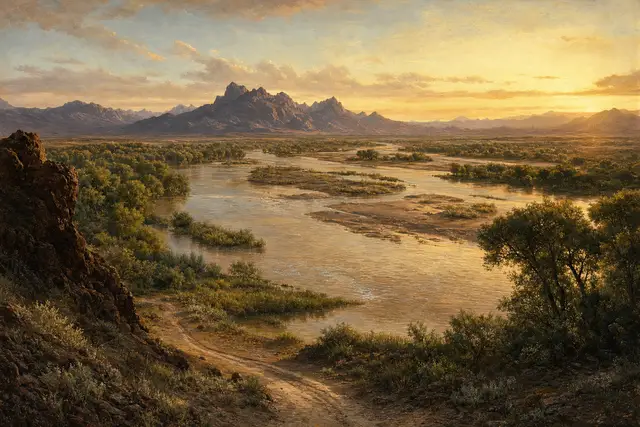
Scenes from the story

See the places and moments

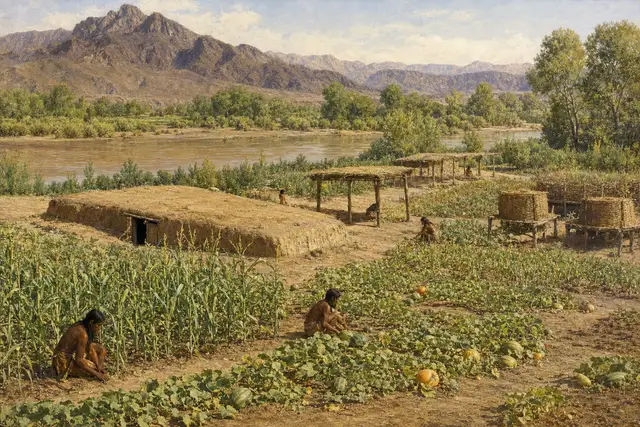
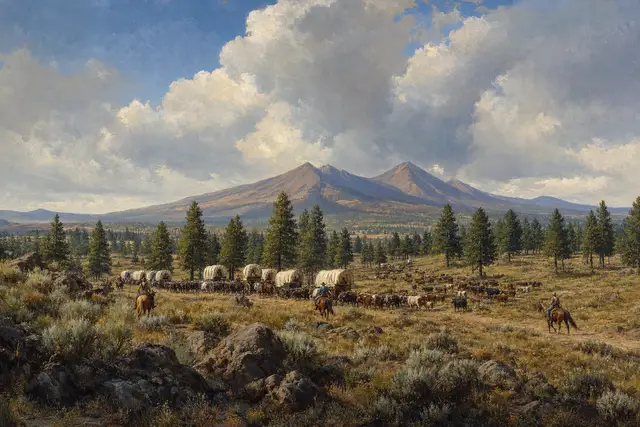
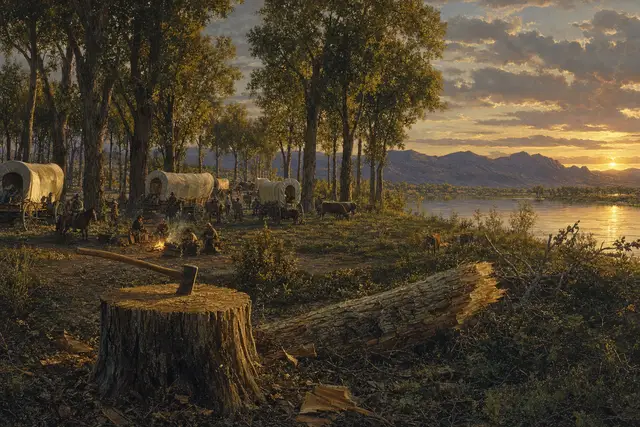
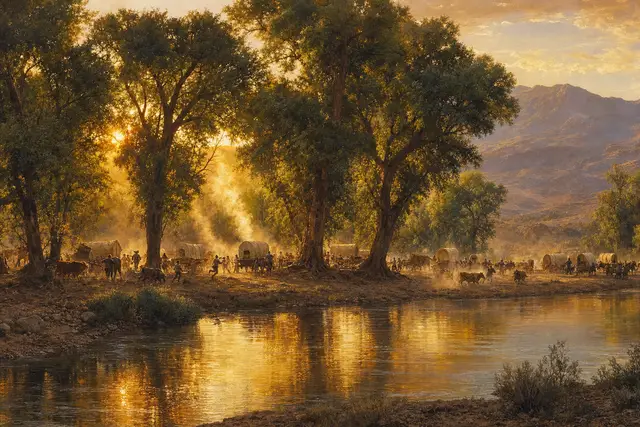
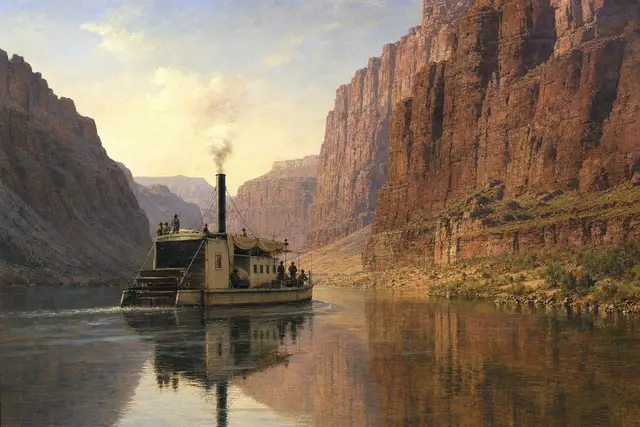
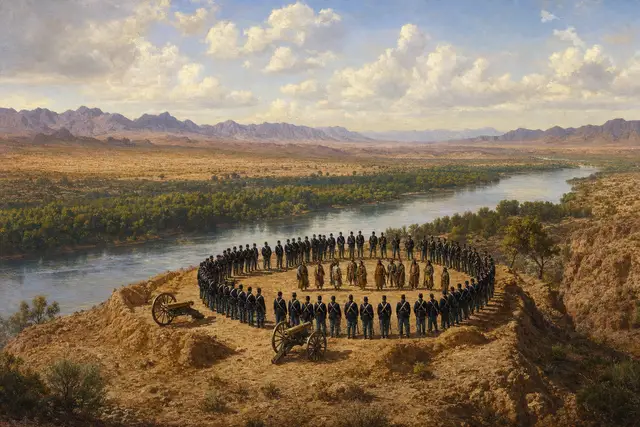
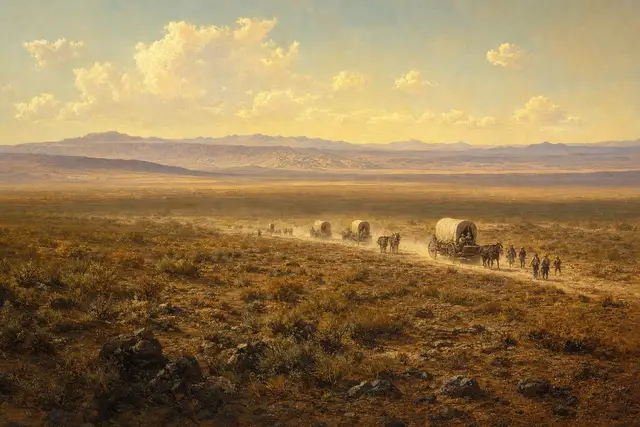
Painterly illustrations of key places and moments in the novel. They are AI-generated artistic interpretations, not historical images, and no figure is a portrait of a real person.

The real history

What actually happened at the crossing

The spine of the novel is real: the Rose-Baley party, the cottonwoods, the attack of August 30, 1858, Hoffman's expeditions, the council of April 23, 1859, and Cairook's sacrifice at Fort Yuma.

Sources disagree on casualty counts and on who did the fighting, and we say so. Read the full, sourced account, with the Mojave perspective given its due.

Read the real history Open the timeline

Interactive map

Follow the road to the river

Trace the approximate route of Beale's Wagon Road from Albuquerque to the Colorado, then zoom in on the crossing, the fort and Fort Yuma. Tap any dot.

Route line and some locations are approximate. Map data © OpenStreetMap contributors.

Who's who

The people of this book

Tap a card to flip it. Historical people are marked; a few characters are invented for the novel, and we label those too.

A note on the Aha Macav

The people by the river are still here

The Mojave call themselves Pipa Aha Macav, the people by the river. They were broken by the war, not destroyed. Today the Fort Mojave Indian Tribe lives along the Colorado where Arizona, California and Nevada meet, with headquarters in Needles, California.

This is their history first. The novel is dedicated "For the Aha Macav." To learn about Mojave history, culture and language from the Tribe itself, start with its own resources:

Fort Mojave Indian Tribe Avi Kwa Ame National Monument

This site is not affiliated with or endorsed by the Fort Mojave Indian Tribe. Mojave names and spellings vary across sources; we follow the novel's usage.

FAQ

Questions readers ask

Is When the Birds Go Silent a true story?

It is a novel built on documented history. The Rose-Baley wagon train, the attack at the Colorado crossing on August 30, 1858, the founding of Fort Mojave in April 1859, Cairook's sacrifice at Fort Yuma and the August 4, 1859 battle are all in the historical record. Dialogue, inner thoughts and some characters are invented, and the Author's Note explains which.

When does When the Birds Go Silent come out?

The Kindle edition releases on October 31, 2026 and is available for preorder on Amazon now.

What was the Mojave War?

A conflict in 1858-1859 between the Mojave (Aha Macav) people of the Colorado River and the United States. It began after the first emigrant wagon train on Beale's Wagon Road was attacked at the river crossing in August 1858, and it ended after a battle on August 4, 1859, when the Mojave made a peace they kept from then on.

Where is Beale's Crossing?

On the Colorado River in the Mojave Valley, north of present-day Needles, California, near today's Fort Mohave, Arizona. Fort Mojave was built nearby in 1859.

Who was Cairook?

A Mojave sub-chief and guide to the Whipple survey (1854) and the Ives expedition (1858). At the council of April 23, 1859 he offered himself as a hostage in place of the hereditary chief, and he was killed at Fort Yuma on June 21, 1859 while helping other prisoners escape.

Is this book good for classrooms?

The novel is written for adult readers and includes scenes of violence. This site offers a free classroom guide, a kids' history explainer and activity pages that teachers can use with younger students.

Preorder on Kindle · Oct 31